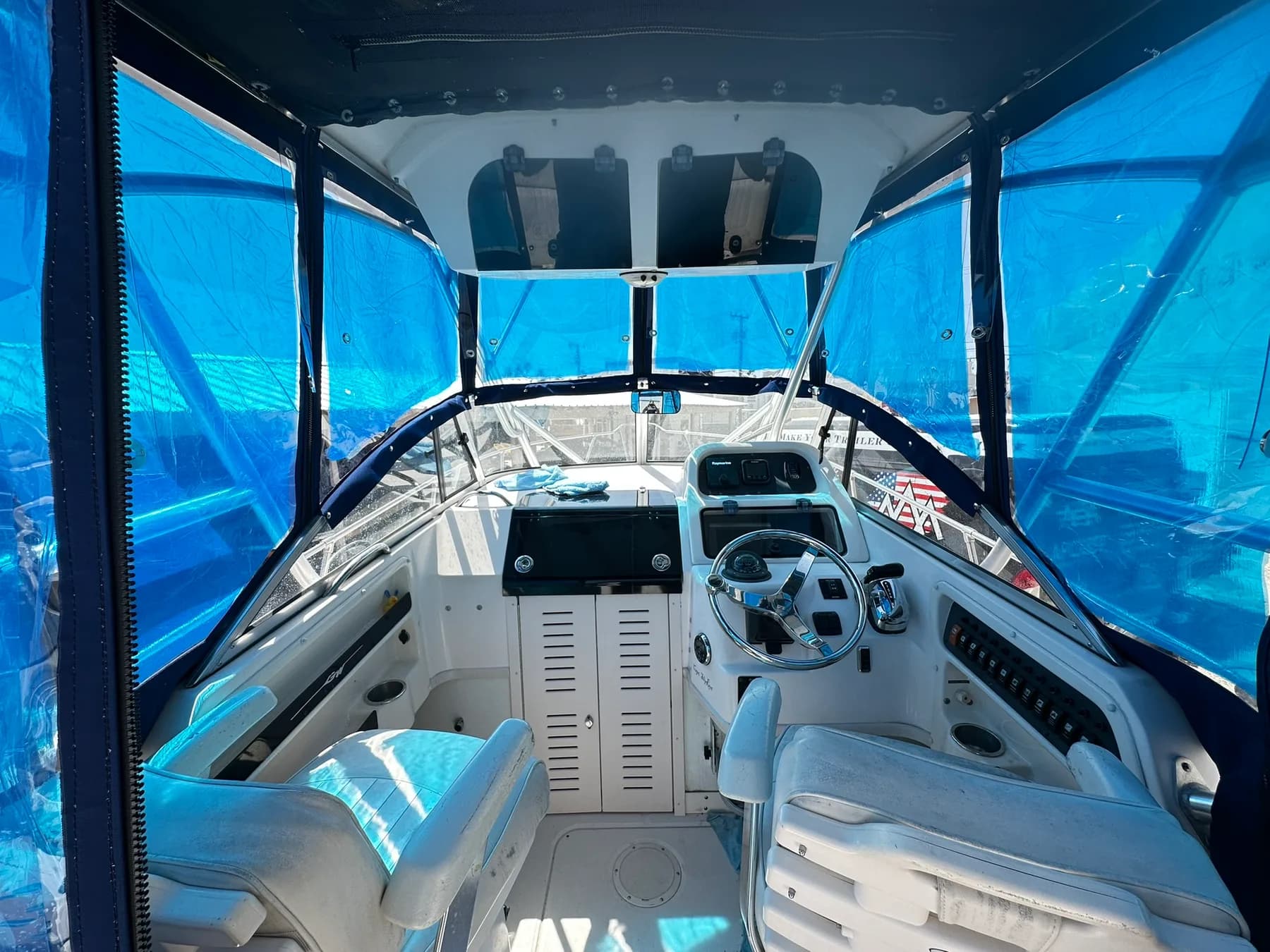
Marine Vinyl vs Regular Vinyl: What Florida Boaters Need to Know
Marine · March 3, 2026 · 7 min read
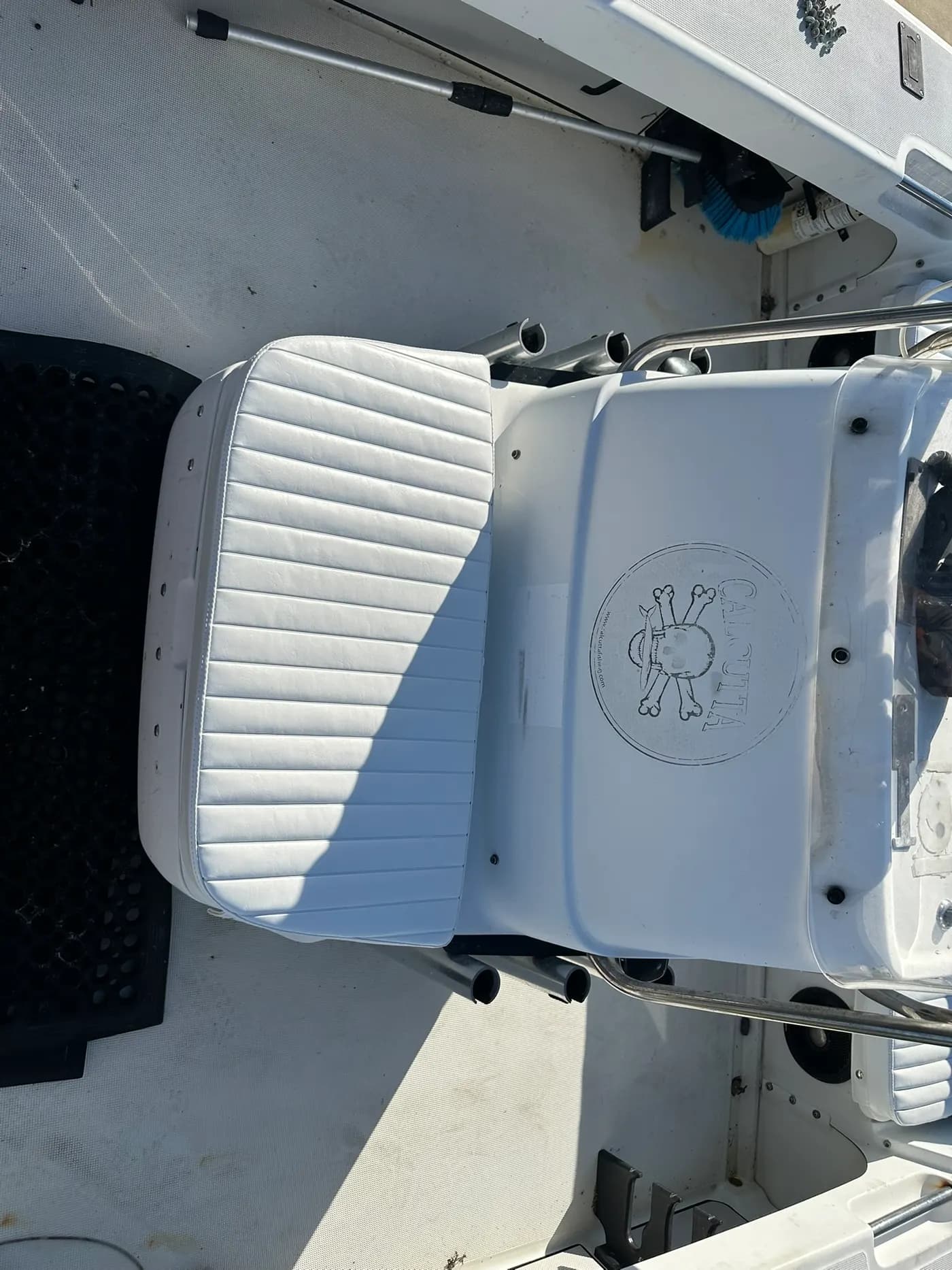
Somewhere out there is a boat with brand new seats that will be cracked and peeling by next summer. Not because the owner did anything wrong, but because someone used regular vinyl where marine vinyl was the only right answer. It is an easy mistake to make, because from across the room the two look identical. Up close, and a year later, they could not be more different.
If you own a boat on the Gulf Coast, this is one of the most important choices you will make about your boat upholstery. So let us clear it up once and for all.
They start with the same idea and end up worlds apart
Both marine vinyl and regular upholstery vinyl are built on a backing fabric with a flexible top coat. That is where the similarities end. Marine vinyl is engineered for abuse that would destroy ordinary material. The fabric backing, the chemistry of the coating, the thread, even the glue, are all chosen to survive sun, water and salt.
Regular vinyl is made for a dining chair or an office stool, somewhere indoors and calm. Put it on a boat and it is being asked to do a job it was never designed for. For a deeper look at the science of how the elements break material down, Sunbrella has a great overview of marine grade performance that is worth a read.
The four things marine vinyl does that regular vinyl cannot
- UV resistance. Marine vinyl has stabilizers built in to slow fading and keep the surface from going brittle in the sun. This is the same enemy we describe in how Florida sun and salt damage boat upholstery.
- Mildew resistance. The coating and backing are treated to resist the mold and mildew that thrive in our humidity. Regular vinyl just becomes lunch.
- Cold crack resistance. Even in Florida, vinyl gets cold enough overnight and in winter to crack if it is not rated for it. Marine vinyl stays flexible across a much wider temperature range.
- Stronger seams. It is sewn with UV stable thread that will not rot out of the stitching after one season in the salt.
Using regular vinyl on a boat is like wearing dress shoes to run a marathon. Technically they are shoes. You are still going to have a bad time.
What about the foam and thread underneath?
Here is a detail that separates a real marine job from a cheap one. The vinyl is only the visible part. Underneath, marine work uses quick dry, closed cell or reticulated foam that drains and breathes, plus that UV stable thread we mentioned. Skimp there and even the best vinyl will sit on top of a soggy, rotting foundation. We break down the foam side of this in Foam 101.
Does it cost more? Yes, and here is why that is fine
Marine grade material does cost more than the indoor stuff. But think about what you are really buying. You are buying seats that still look good in five years instead of one. You are buying the difference between rinsing your boat and enjoying it, versus babying seats that are falling apart anyway. Done once and done right almost always wins. You can see that philosophy in our project work.
How to make sure you are getting the real thing
Anybody can say marine grade. A few honest questions sort the pros from the pretenders.
- Ask what brand and product line of vinyl they use.
- Ask if the thread is UV stable polyester or basic thread.
- Ask what foam they put under the cover and whether it drains.
- Ask to see other boat seats they have done.
And if you are still not sure whether your seats need replacing at all, run through the seven signs your boat seats need reupholstering first.
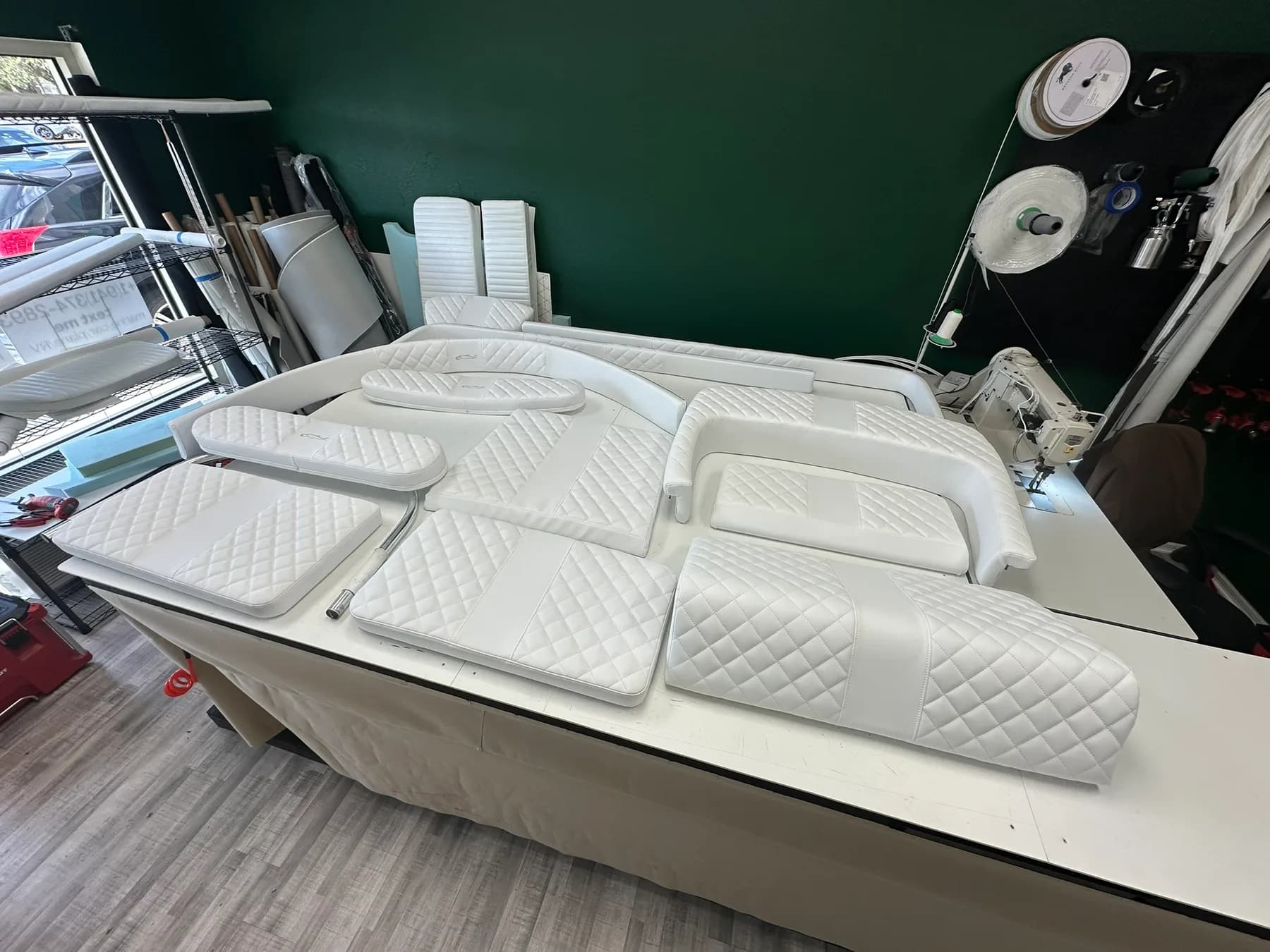
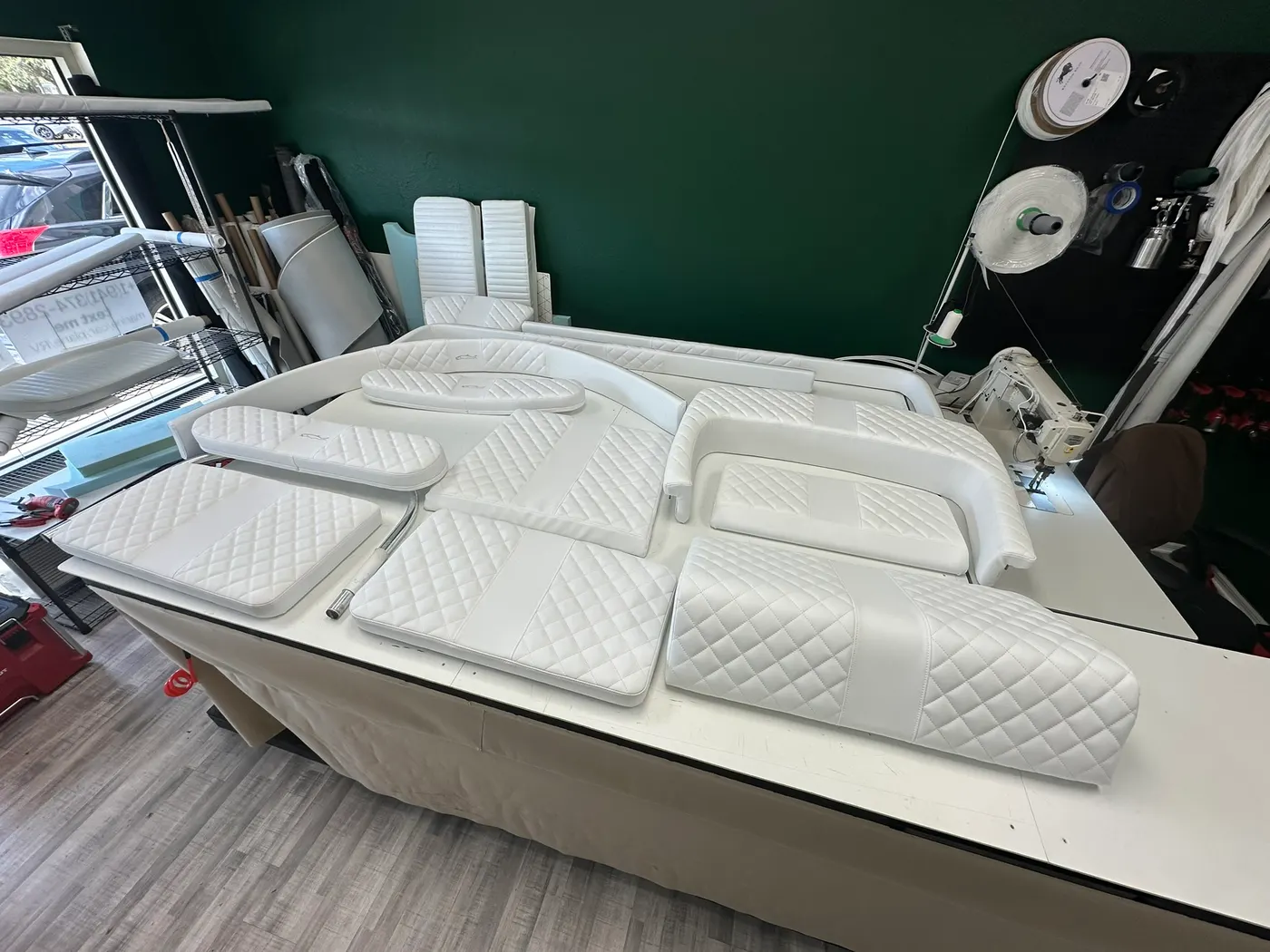
Those are exactly the questions we love to answer, because we have nothing to hide. Take a look through the gallery to see real marine work, then reach out and we will talk through the best materials for your boat and how you use it. The right vinyl is not the expensive choice. It is the choice that saves you money the second time around.
Let's give your piece a second life
Marine, auto, furniture and more. Send a few photos or bring it by the shop for an honest, free estimate.